
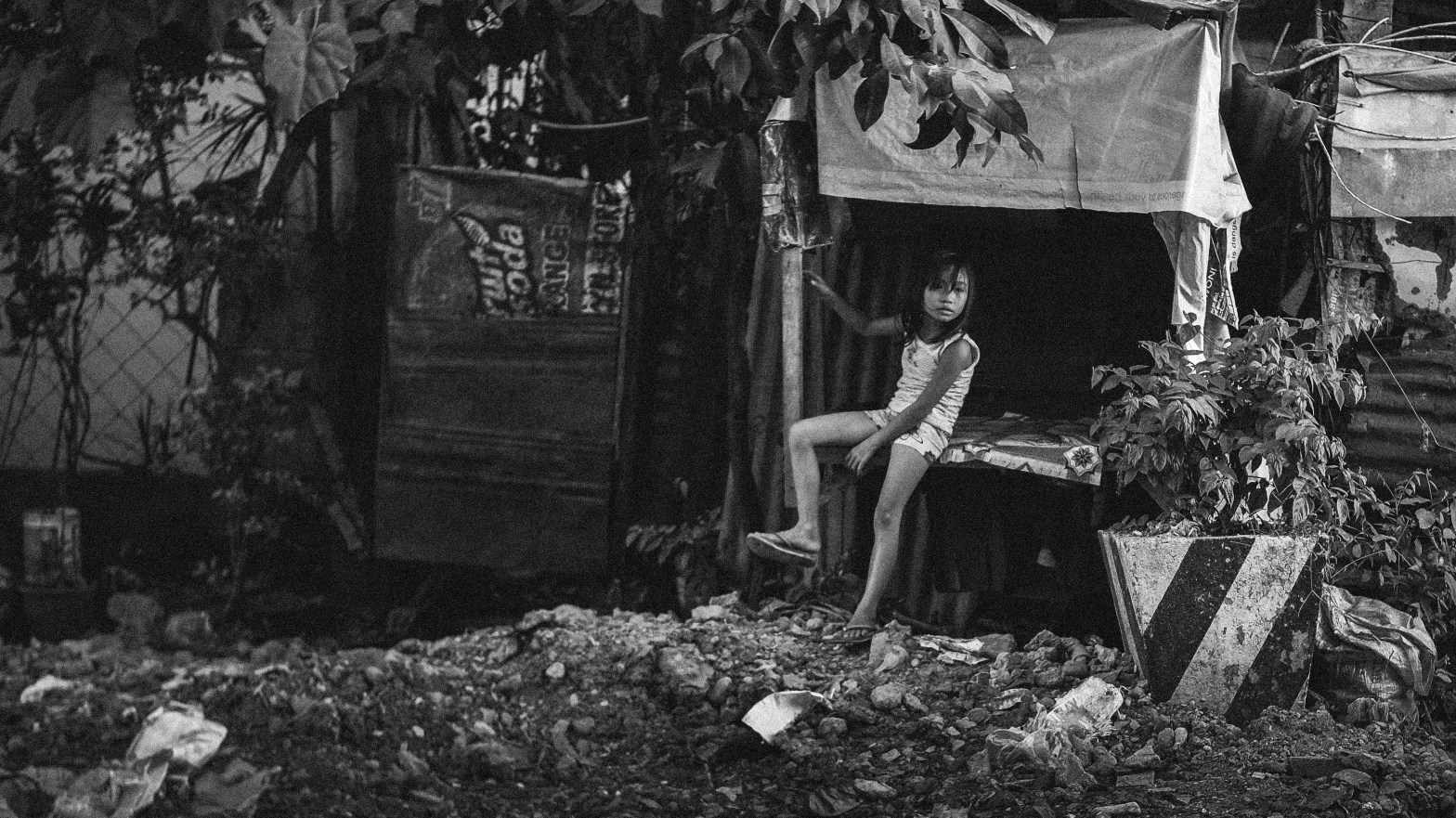
Housing as a Human Right?

The US government doesn’t think of housing as a right; but the UN does, along with other governments and NGOs.

We at PEER Homes subscribe to Kate Raworth’s concept of “Doughnut Economics“–meeting the needs of all within the means of the planet. We believe that each of us is born with the same rights–yes, “life, liberty, and the pursuit of happiness”–but also to so much more: shelter, nutrition, water, health, education, income and work, peace and justice, political voice, social justice, gender equality… and it’s within our means to provide for these rights for everyone, no matter the color of their skin or the place of their birth.

The Constitution doesn’t specifically list housing among those inalienable rights “endowed by our Creator,” but neither did it list suffrage for women or people of color. So, it’s not a right in the legal sense. Nonetheless, we do feel principled in the argument that housing is a basic human right. When we think of rights, we don’t think of laws. Constitutions and laws can be enacted to protect rights, but the rights themselves existed in each of us innately.
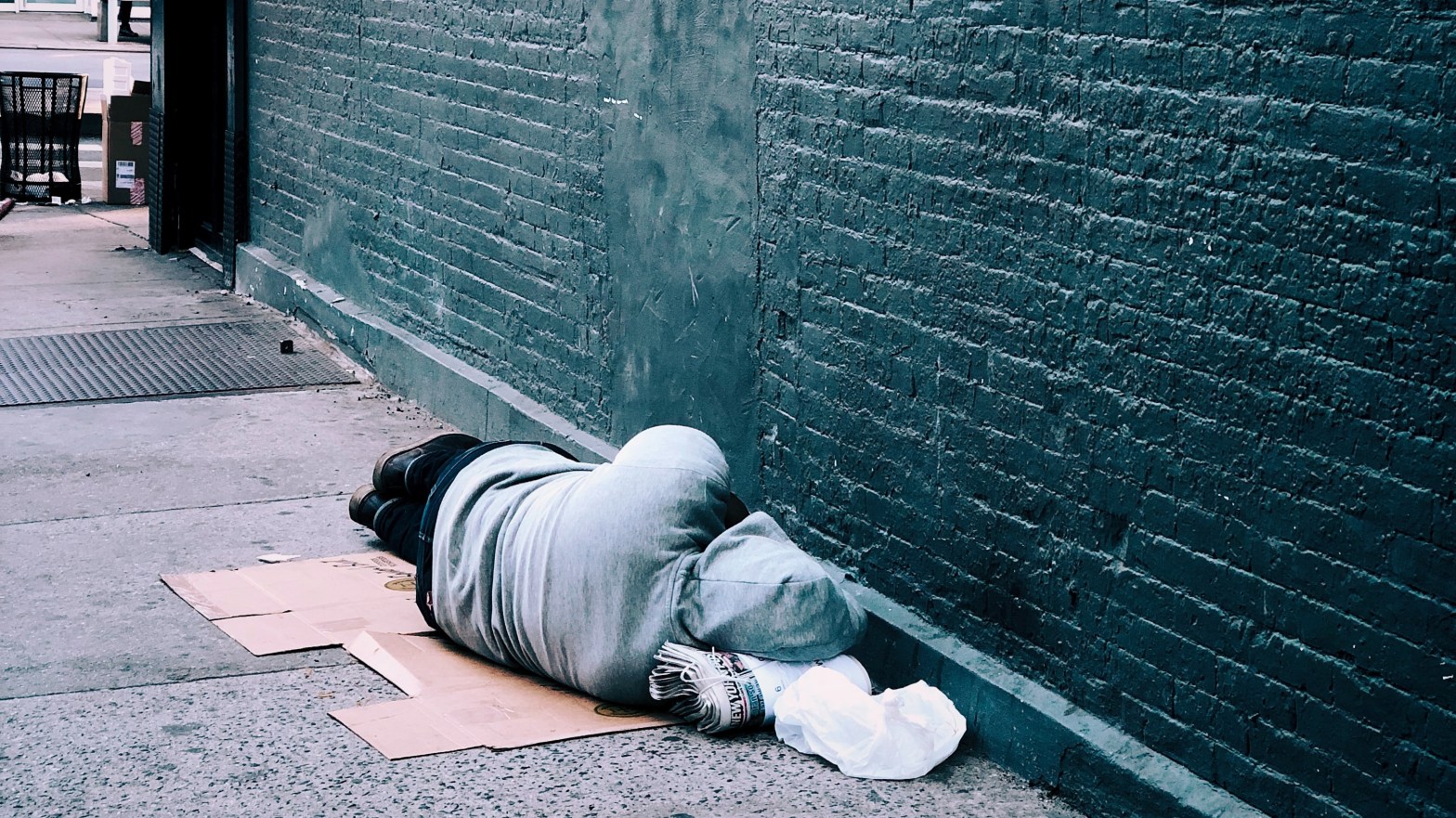

Housing Inequality

Housing inequality is a form of economic inequality marked by disparities in the quality of housing. Housing is recognized as a basic human right by the United Nations and by many national constitutions, as the lack of adequate housing has adverse consequences for individuals, families, communities, and societies.

Spokane, Washington, has a history of systemic residential discrimination which currently impacts residents who are marginalized for their race, class, gender, sexual orientation, religion, age, nationality, disability, health, addiction, justice-system involvement, and more.

Northwest Fair Housing Alliance – The work that provided the basis for this public service announcement was supported by funding under a grant from the U.S. Department of Housing and Urban Development. NWFHA is solely responsible for the accuracy of the statements and interpretations contained in this video. Such interpretations do not necessarily reflect the views of the Federal Government.

Social Purpose Corporation

A new type of corporate business model is established under the WBCA, the social purpose corporation–sometimes called a “B-Corp” or benefit corp. An SPC, while subject to all the provisions applicable to other corporations, must be organized to promote a general social purpose that is intended to positively affect certain constituencies. These constituencies must include one or more of:

  • the corporation’s employees, suppliers, or customers;
  • the local, state, national, or world community; or
  • the environment.

In addition, a social purpose corporation may set forth specific social purposes for which the corporation is organized.

PEER Homes was founded to provide residential housing in a manner which benefits all three of the the above constituencies, specifically by sustainably addressing housing inequality faced by marginalized and vulnerable populations.

B Lab Certification

Certifying as a B Corporation goes beyond product- or service-level certification. B Corp Certification is the only certification that measures a company’s entire social and environmental performance. The B Impact Assessment evaluates how your company’s operations and business model impact your workers, community, environment, and customers. From your supply chain and input materials to your charitable giving and employee benefits, B Corp Certification proves your business is meeting the highest standards of verified performance.

Positive impact is supported by transparency and accountability requirements. B Corp Certification doesn’t just prove where your company excels now—it commits you to consider stakeholder impact for the long term by building it into your company’s legal structure.

PEER Homes is pursuing certification as a B Corporation.