
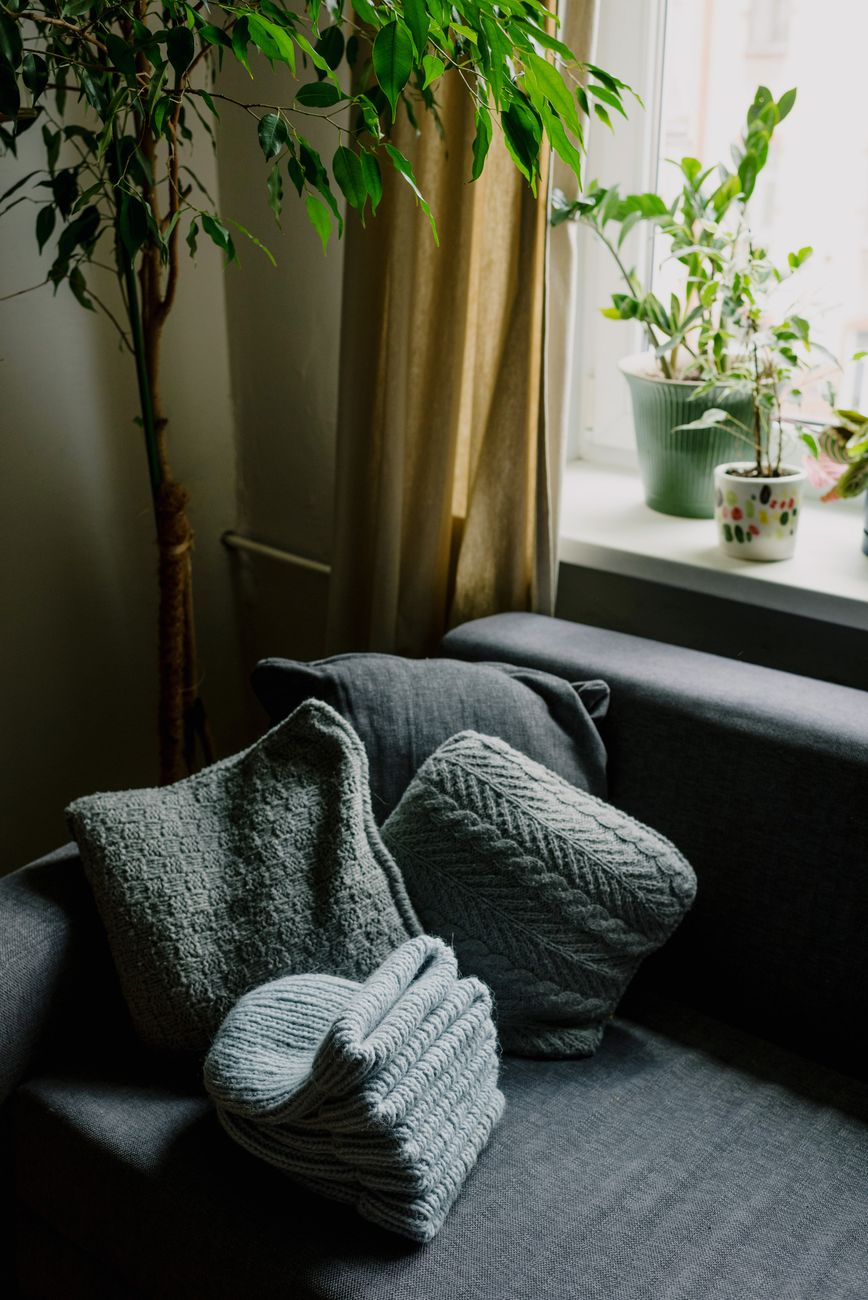
When people hear the phrase “affordable housing,” they often picture compromise.
Smaller rooms. Thin walls. Little privacy. Limited amenities. Functional but uninspiring spaces designed to meet a budget rather than support a good life.
At PEER Homes, we believe affordable housing should be affordable, but we reject the idea that affordability requires discomfort.
Housing is more than shelter. It is where we sleep, recover, work, learn, raise families, host friends, celebrate milestones, and endure life’s hardships. The quality of our homes shapes our physical health, mental well-being, relationships, productivity, and sense of belonging.
A home does not need to be large or expensive to be comfortable.
But it should be comfortable.
The False Choice Between Affordability and Comfort
Too often, discussions about affordable housing focus exclusively on cost.
Cost matters. If a family cannot afford a home, little else matters.
But affordability is not the only measure of success.
Imagine two apartments with identical rents. One receives abundant natural light, blocks outside noise, provides privacy, maintains comfortable temperatures year-round, and offers a pleasant place to spend time. The other is dark, noisy, drafty, and uncomfortable.
Both may be affordable.
Only one feels like home.
The goal should not be to provide the cheapest possible housing. The goal should be to provide the highest quality housing that can be delivered at a price residents can afford.
That distinction matters.
Affordable housing should not be treated as a lesser product reserved for people with fewer financial resources. Every resident deserves a home that respects their dignity.
Comfort Is Not Luxury
Many of the most important features of comfortable housing are surprisingly simple.
Comfort often comes from thoughtful design rather than expensive materials.
Natural light improves mood and helps regulate sleep cycles.
Good insulation keeps homes warmer in winter and cooler in summer while reducing energy costs.
Sound attenuation reduces stress and improves privacy.
Functional storage helps smaller spaces feel organized and spacious.
Windows that frame pleasant views can make even modest homes feel inviting.
Outdoor spaces encourage social interaction, recreation, and mental restoration.
These features are not luxuries.
They are quality-of-life investments.
In fact, many of them reduce long-term costs by improving energy efficiency, reducing maintenance needs, and increasing tenant satisfaction and retention.
The Psychology of Home
Researchers have long recognized that our environments influence our behavior and well-being.
A home should provide refuge from the stresses of daily life.
When people feel safe and comfortable at home, they sleep better, experience less stress, and are better able to focus on work, school, relationships, and personal goals.
Housing insecurity is damaging enough. Residents should not also have to contend with environments that undermine their health and well-being.
Comfortable housing supports human flourishing.
That principle applies whether a person rents a luxury condominium or uses a Housing Choice Voucher.
Human needs do not change based on income.
Small Spaces Can Still Feel Generous
PEER Homes has often explored compact housing concepts.
Some people assume smaller homes must feel cramped or restrictive. In reality, thoughtful design can make modest spaces feel surprisingly comfortable.
Good layouts eliminate wasted square footage.
Open sightlines make rooms feel larger.
Natural light extends perceived space.
Built-in storage reduces clutter.
Shared community amenities can supplement private living areas.
A well-designed 600-square-foot home can often feel more comfortable than a poorly designed home twice its size.
Comfort is not measured solely in square feet.
Comfort comes from how a space functions.
Comfort Supports Housing Stability
Comfortable housing is also practical housing.
When people enjoy where they live, they are more likely to remain long-term residents. Stable housing benefits tenants, neighborhoods, property owners, schools, employers, and communities.
Lower turnover reduces vacancy costs.
Residents develop stronger community ties.
Neighborhoods become more stable.
Property management becomes easier.
In other words, comfort is not merely a resident benefit. It is a sound operational strategy.
This is one reason PEER Homes views comfort as part of affordability rather than separate from it.
Housing that works well for people tends to work better for communities as well.
What Comfortable Affordable Housing Looks Like
For PEER Homes, comfortable affordable housing may include:
- Abundant natural light
- Effective insulation and energy efficiency
- Good indoor air quality
- Noise reduction and privacy
- Universal design features
- Functional storage
- Access to outdoor space
- Durable and attractive materials
- Walkable neighborhoods
- Safe and welcoming common areas
None of these features require extravagance.
They require intentionality.
The best affordable housing projects often succeed because someone cared enough to ask a simple question:
“What would make this a better place to live?”
Housing People, Not Units
Affordable housing conversations often focus on units, density, costs, and regulations.
Those topics matter.
But housing ultimately exists for people.
People do not experience housing as spreadsheets, zoning codes, or financial models.
They experience housing as daily life.
The feeling of sunlight through a window.
A quiet night’s sleep.
A comfortable chair.
A safe walk home.
A conversation with a neighbor.
The peace of knowing they can remain in their community.
At PEER Homes, we believe affordable housing should support those experiences.
Affordability is essential.
Comfort is essential.
Dignity is essential.
The challenge before us is not choosing one over the others.
It is designing and operating housing that achieves all three.

